
Asbestos is a known carcinogenic mineral that was used extensively in a number of industries in the UK for decades. One of the industries that used asbestos the most heavily was construction. It is important for homeowners and those who work in buildings constructed before asbestos regulations were set to be aware of the risks of exposure and dangers of asbestos to human health.
What is Asbestos?
Asbestos is a mineral that can be mined and used for a number of industrial purposes. It has been used, in fact, for millennia. Asbestos is lightweight but strong and flexible; it resists heat and fire; and asbestos resists most chemical reactions. It was used heavily in the UK and in other countries anywhere there was a need for heat- and fire-proofing, like in and around stoves and boilers and in insulation. It was also used heavily in the construction of buildings and ships.
Why Asbestos is so Harmful
The small, needle-pointed fibers that make up asbestos can easily become detached and enter the air. As part of the dust these fibers can be inhaled from the air and accidentally consumed when they settle on surfaces. The fibers get stuck in tissues in the body and can cause damage that lead to very serious illnesses in some people:
· Mesothelioma – an aggressive cancer that affects the tissues around the lungs, mesothelioma is almost always caused by asbestos exposure
· Lung cancer – asbestos can cause lung cancer and other cancers in addition to mesothelioma
· Asbestosis – a scarring of lung tissue that is not cancer but is progressive and ultimately fatal
Where Asbestos is Found in Buildings
Asbestos use in the UK was banned to various degrees and by type between 1985 and 1999. Buildings constructed from the late 1800s through the mid-1980s may contain asbestos today, in spite of the ban. Not all buildings have been abated and asbestos can still be found in many of the construction materials in homes, schools, office buildings, and other buildings that people live and work in every day. In these buildings asbestos may be found in:
· Insulation.
· Siding.
· Joint compounds.
· Wallboard.
· Flooring tiles and adhesive.
· Ceiling tiles.
· Roofing materials.
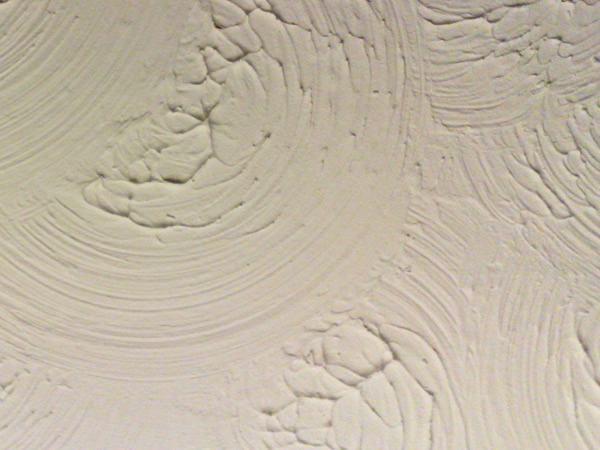
· Decorative plasters and textured paints
· Boilers, heaters, and stoves.
Staying Safe
Although asbestos has been banned from use in the UK, there is still a risk of exposure and illness caused by this mineral and the materials in which it has been incorporated. Some of the people most at risk are those that may work around it: construction workers, HVAC technicians, maintenance workers, painters, teachers, plumbers, electricians, pipefitters, boilermakers, and joiners.
Anyone who lives in a building constructed during the period in which asbestos was in use could also be at risk of exposure. In many cases the asbestos is well contained. When it is contained asbestos does not give off dangerous fibers, but when that material is damaged or the asbestos becomes exposed it poses a risk.
One of the most common situations in which a resident may be at risk of asbestos exposure is during home renovation or remodeling work. Breaking through walls and insulation, moving pipes and changing electrical work can cause old asbestos to become exposed, putting anyone in the building at risk.
To stay safe in the face of old asbestos it is important to be aware of the dangers. Workers should know their rights to a safe workplace and demand training and safety equipment. Homeowners must contact asbestos professionals before doing any remodeling work. These abatement professionals can safely test for asbestos and either remove or contain it. Awareness is crucial for staying safe in a country where asbestos is still a risk to public health.


