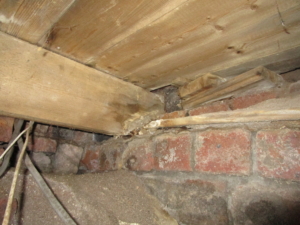
We were delighted to be able to provide expert advice to Historic Royal Palaces following our survey of the moat arches at the Tower of London and The Reveller at Tower Bridge. Both areas sit below the north approach road to Tower Bridge and have been suffering decades of water ingress. Our survey showed numerous failed attempts at damp proofing including cement wash, bitumen paint and chemical injection however the water ingress continued.
The arches were infilled during the time of the Duke of Wellington‘s term as Prime Minister but would have been well ventilated and vapour permeable, and also likely damp, since then.
These repairs all responded to the symptoms and never actually examined the sources of water ingress. Following survey of the road surface on St Katherine’s Way, road dranage gulleys and details around the bridge parapet, numerous vulnerable areas were identified, all of which will be contributing to the effects internally.
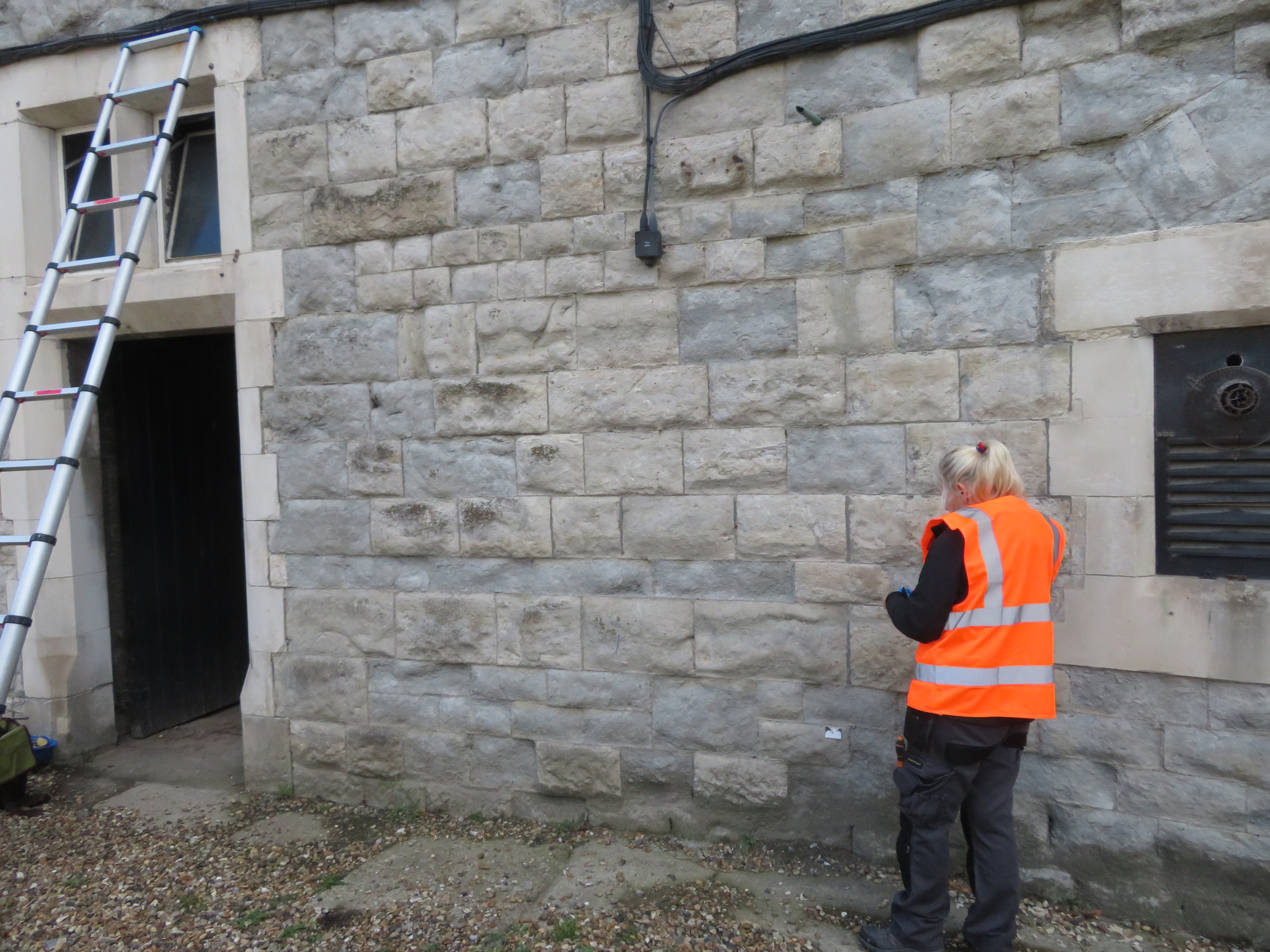 Alison testing areas of loose mortar.
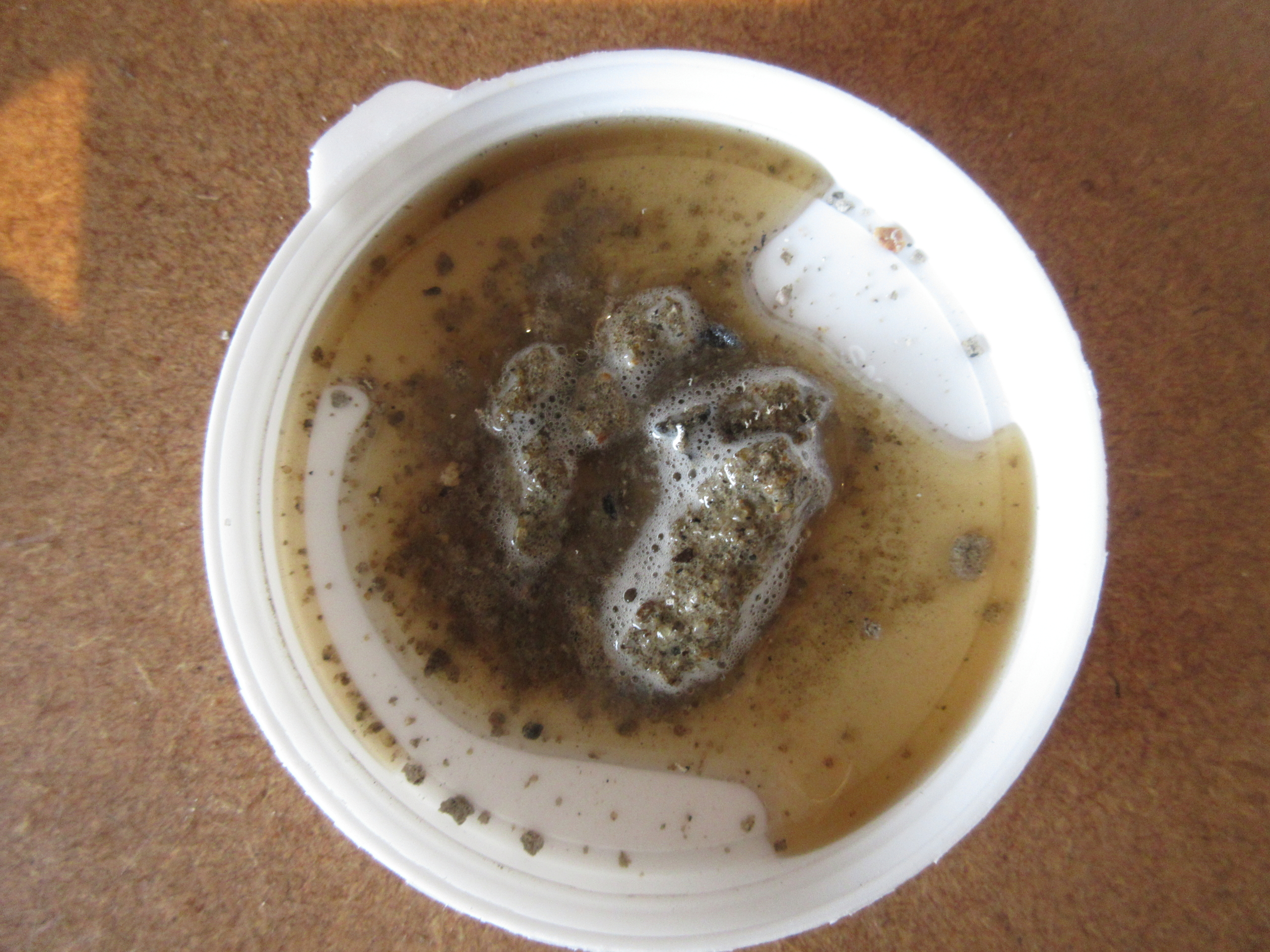
Mortar reacting to test so indicating lime mortar is present. Other areas were found to have cement-rich mortar
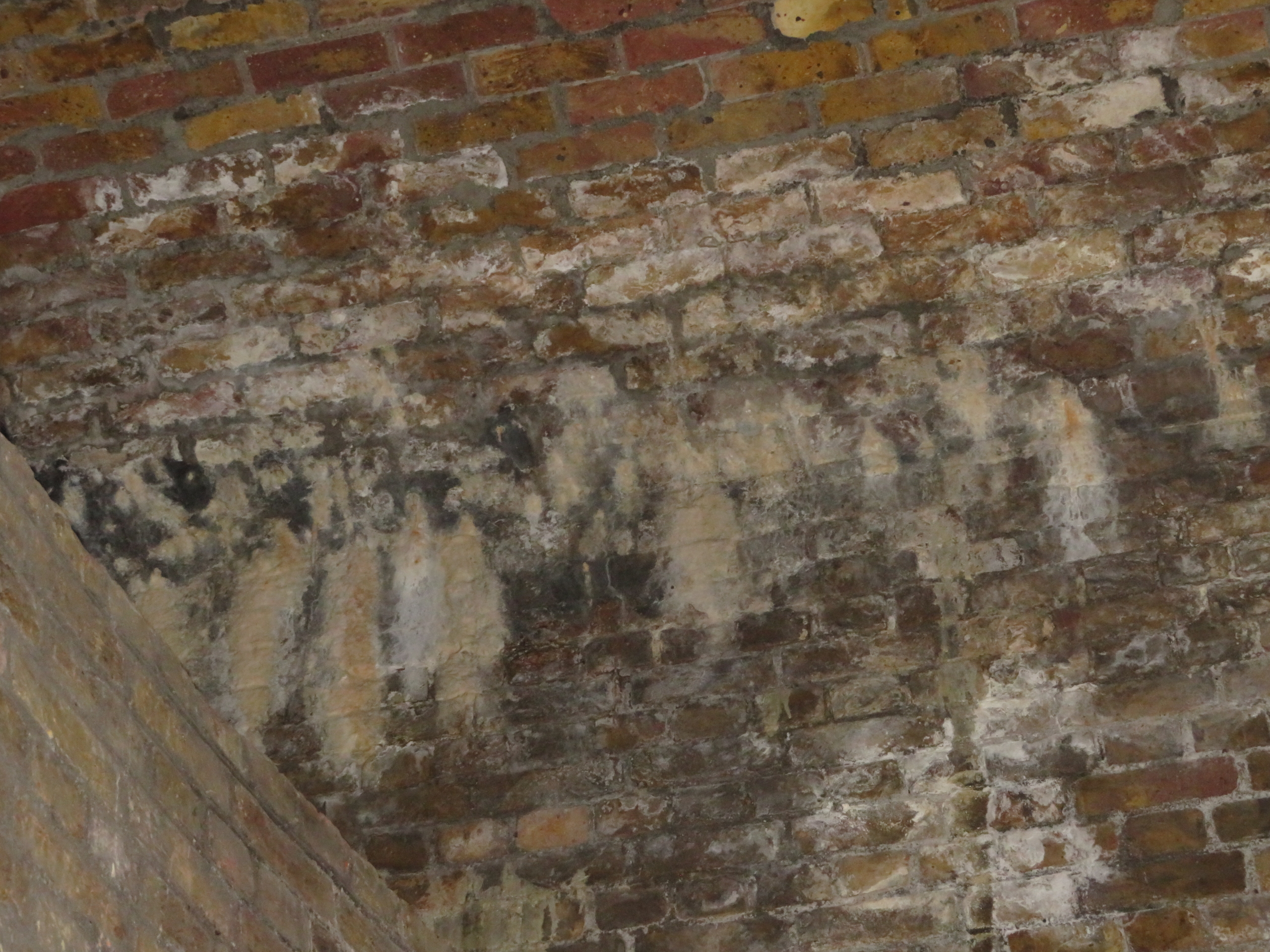
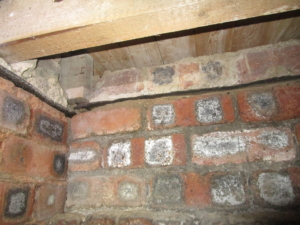
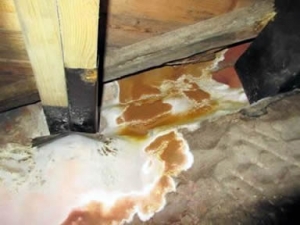
Long term water ingress causing calcium build up on the brick vaulted ceilings
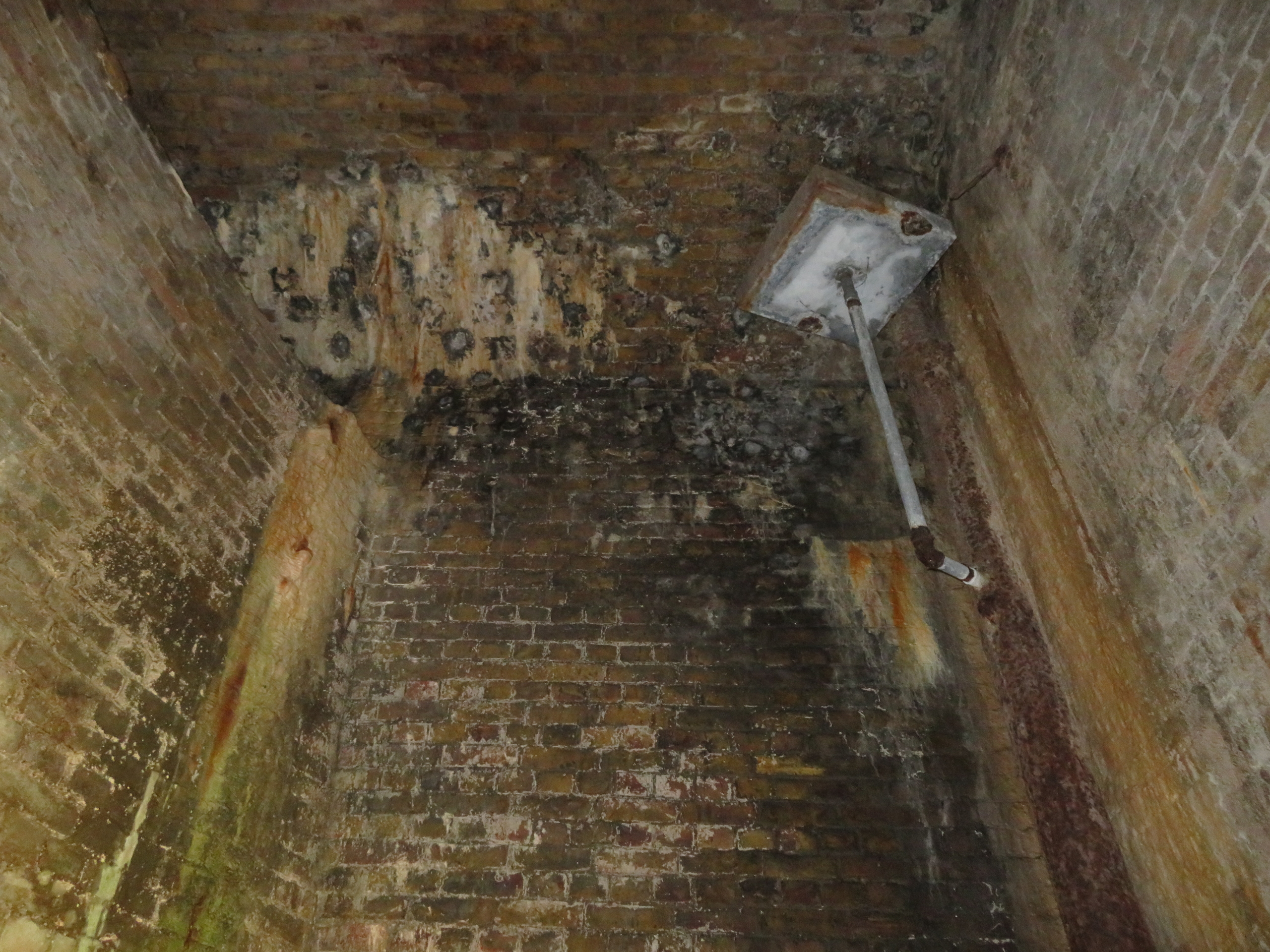
A stainless steel tray previously installed to catch water passing through around the drainage gulley indicates an issue with the gulley…
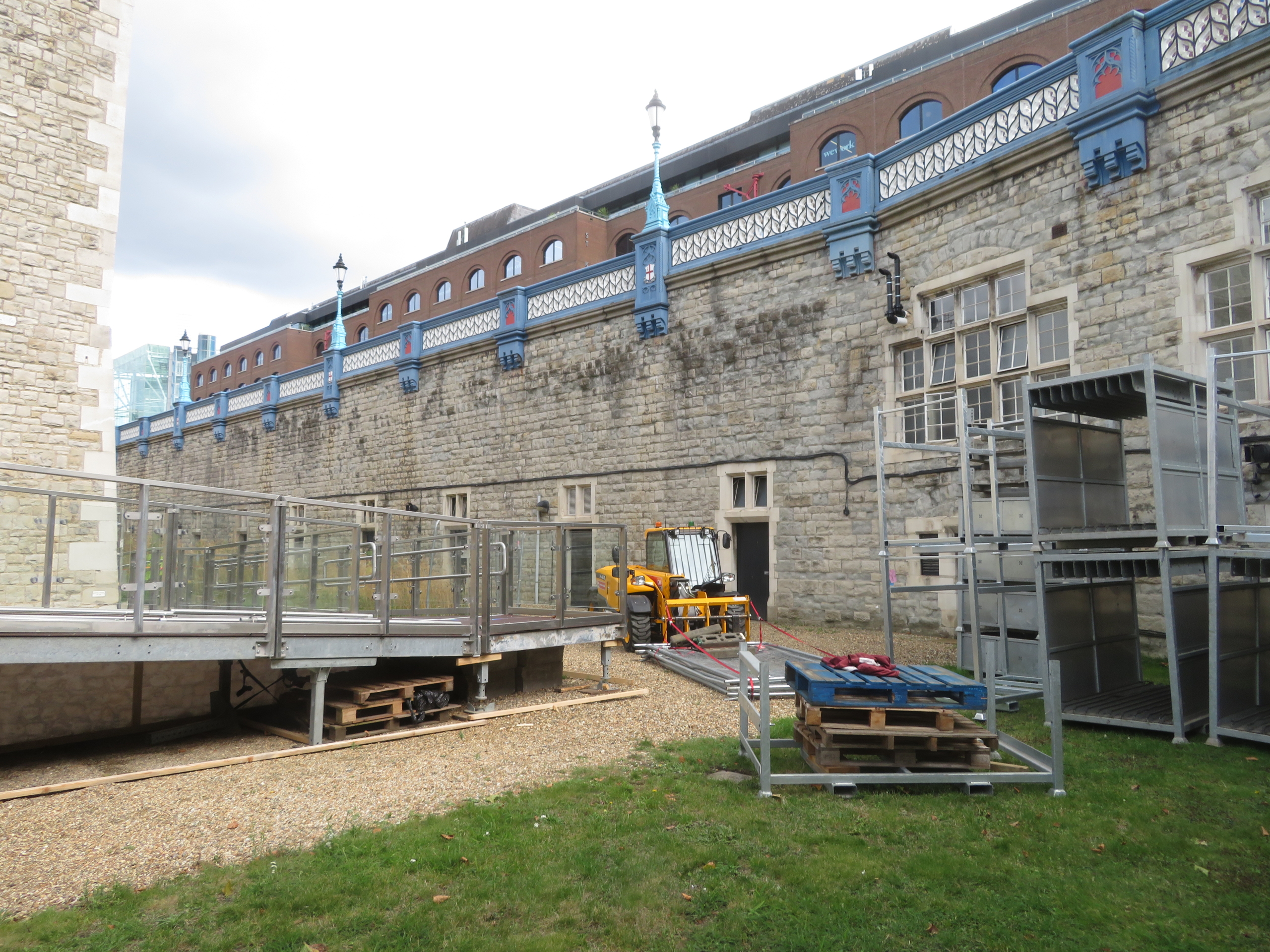
The moat vaults below St Katerine’s Way at the north approach to Tower Bridge.
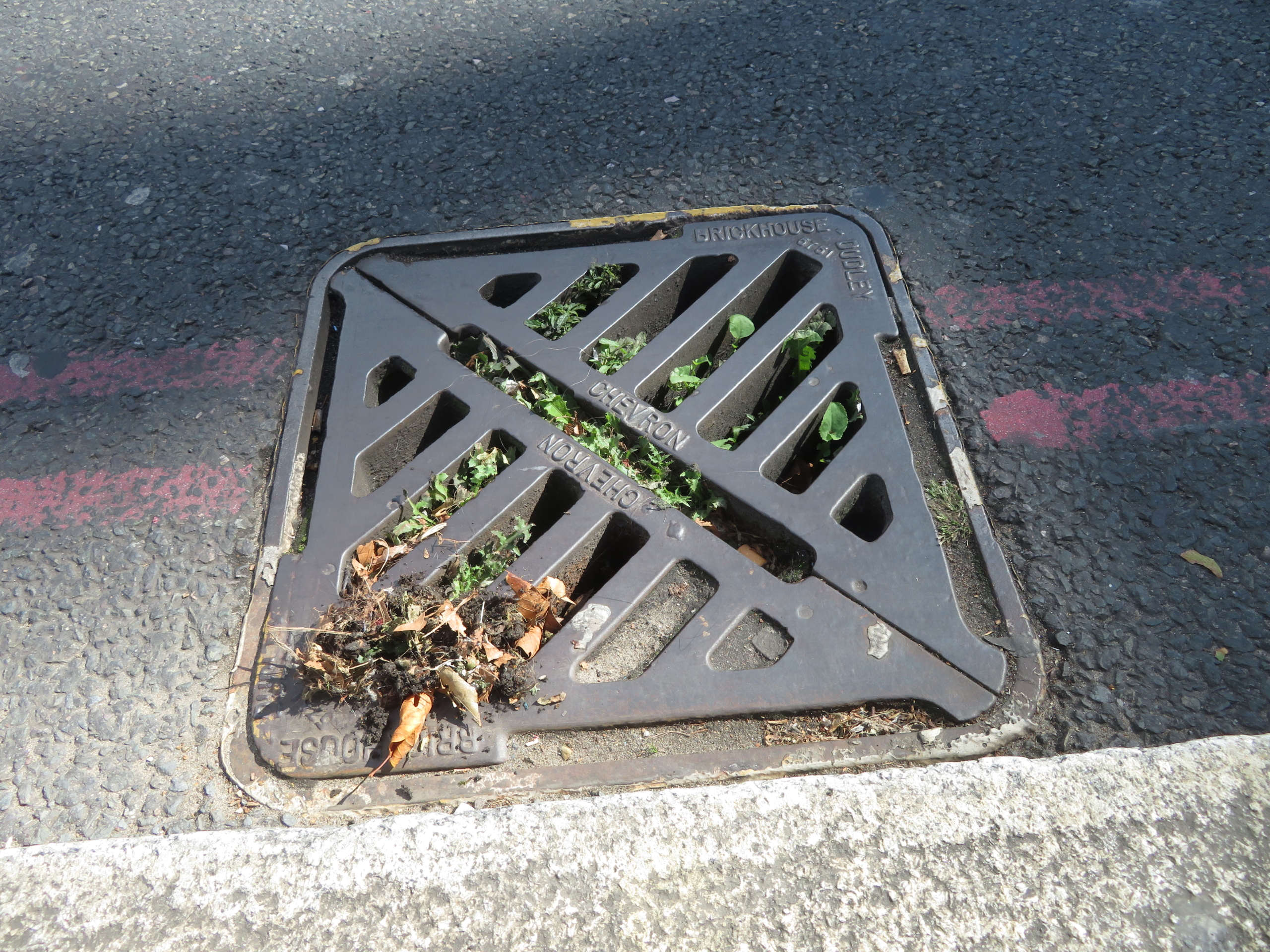
Road drainage gulley are partially blocked so will cause localised flooding which will saturate the surrounding ground and seep through to the vaults below.
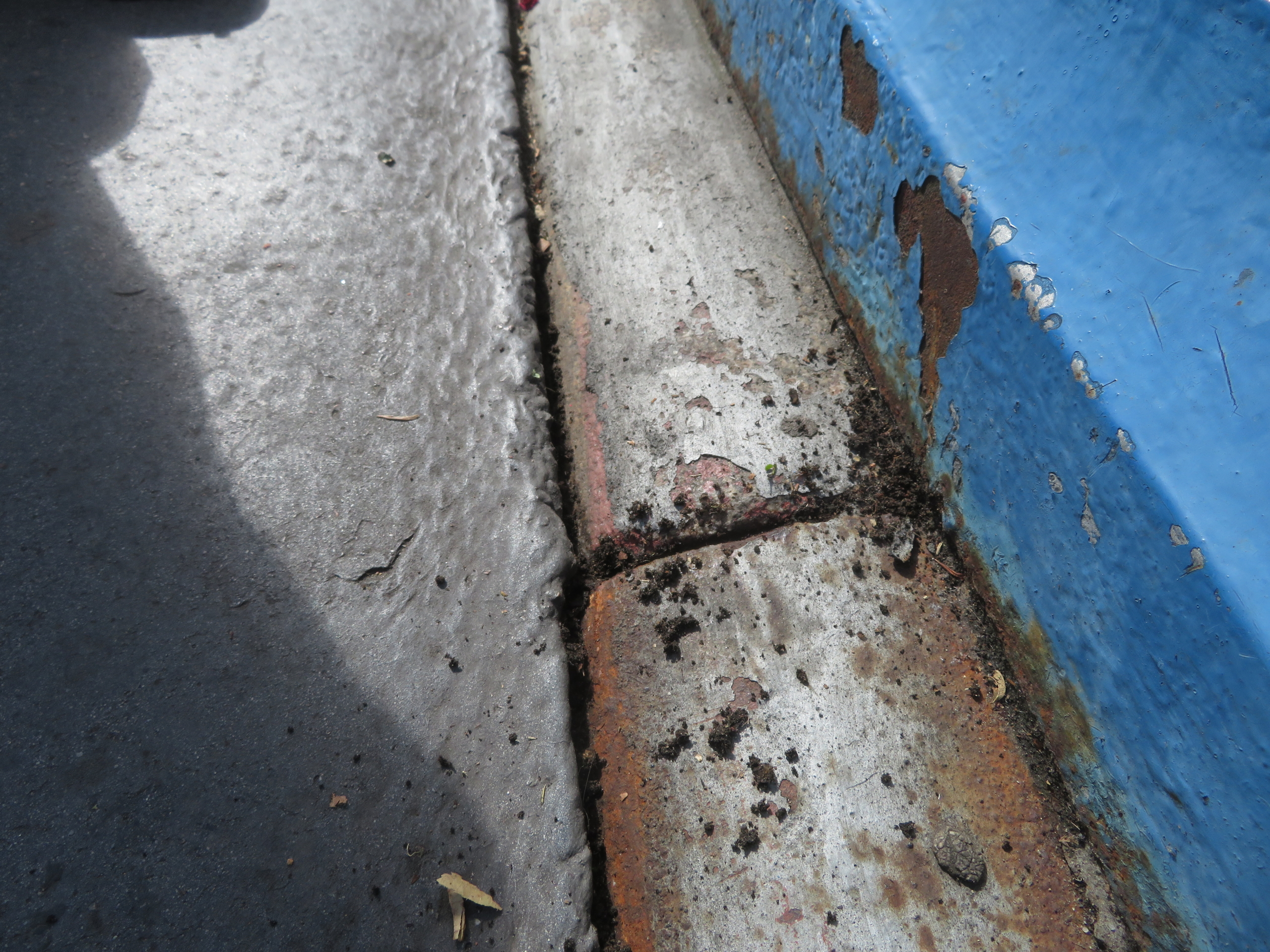
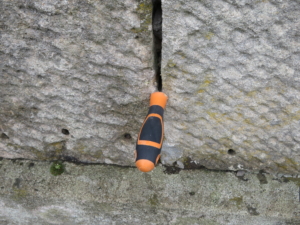
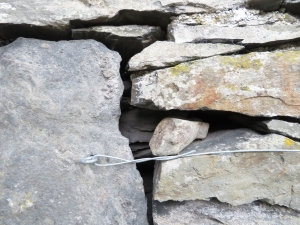
Very minor but, nonetheless, open joints. Damop soil had displaced mortar
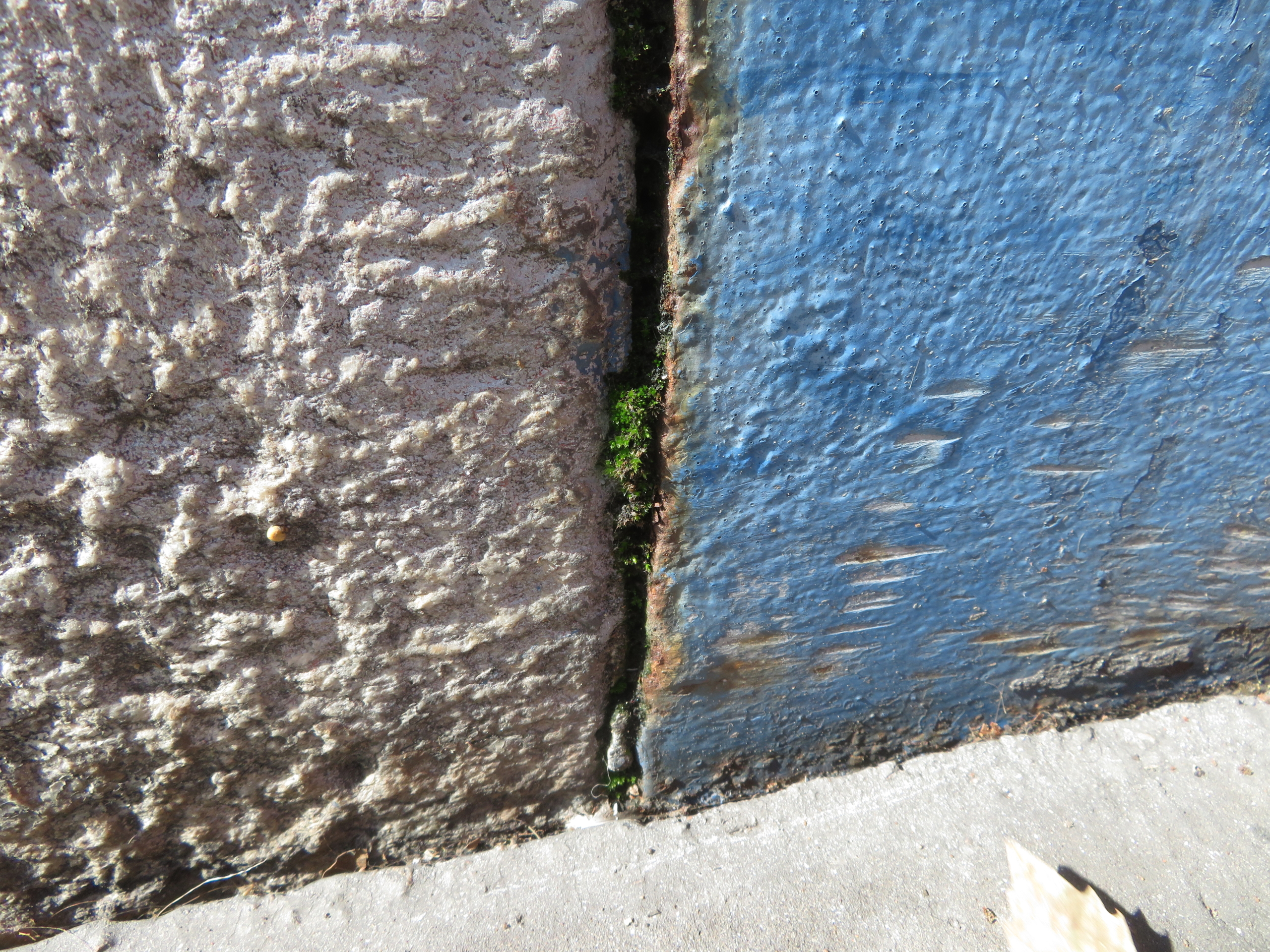
Vegetation show moisture and soil is in what should be mortar joints.
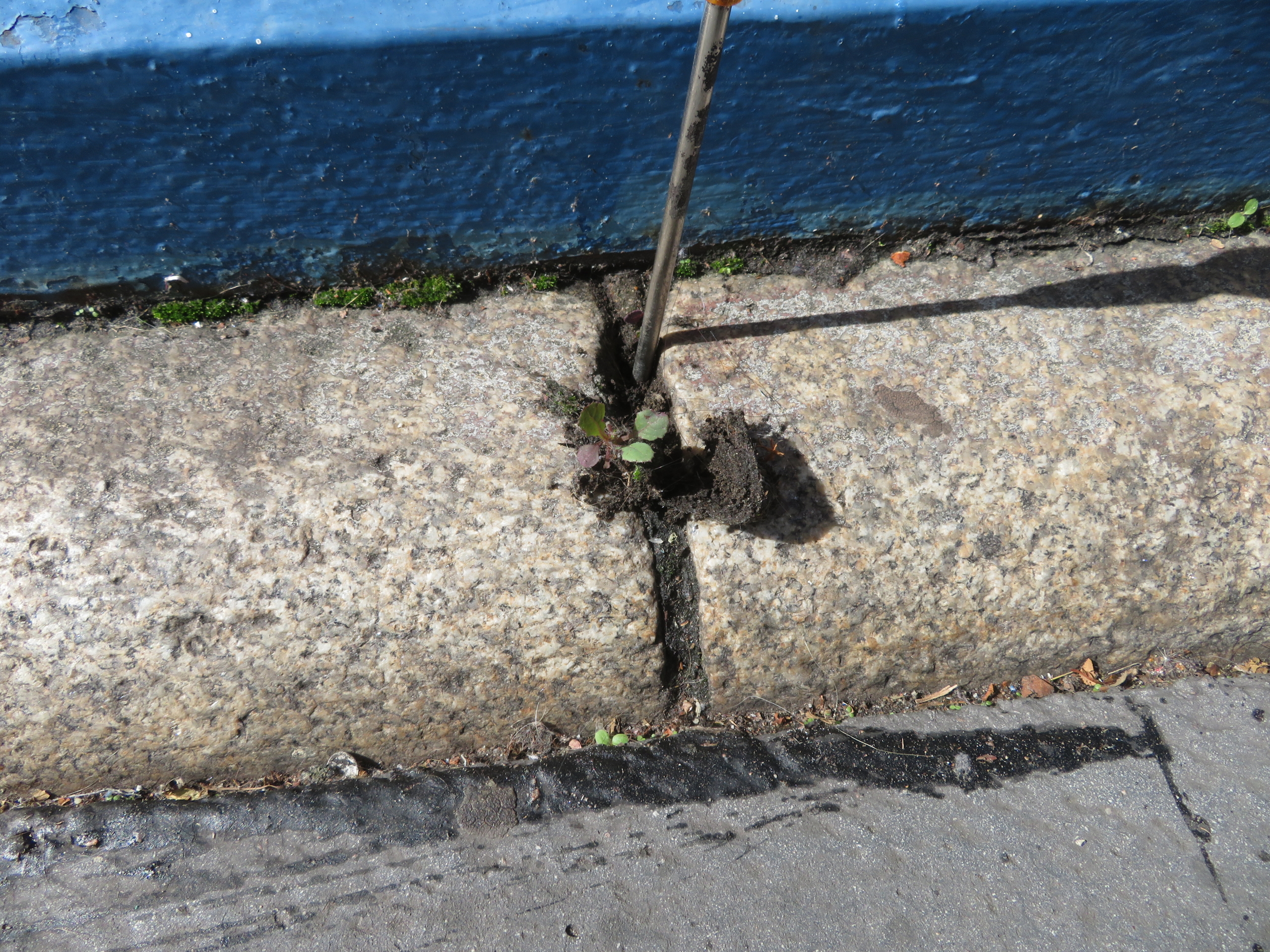
As above
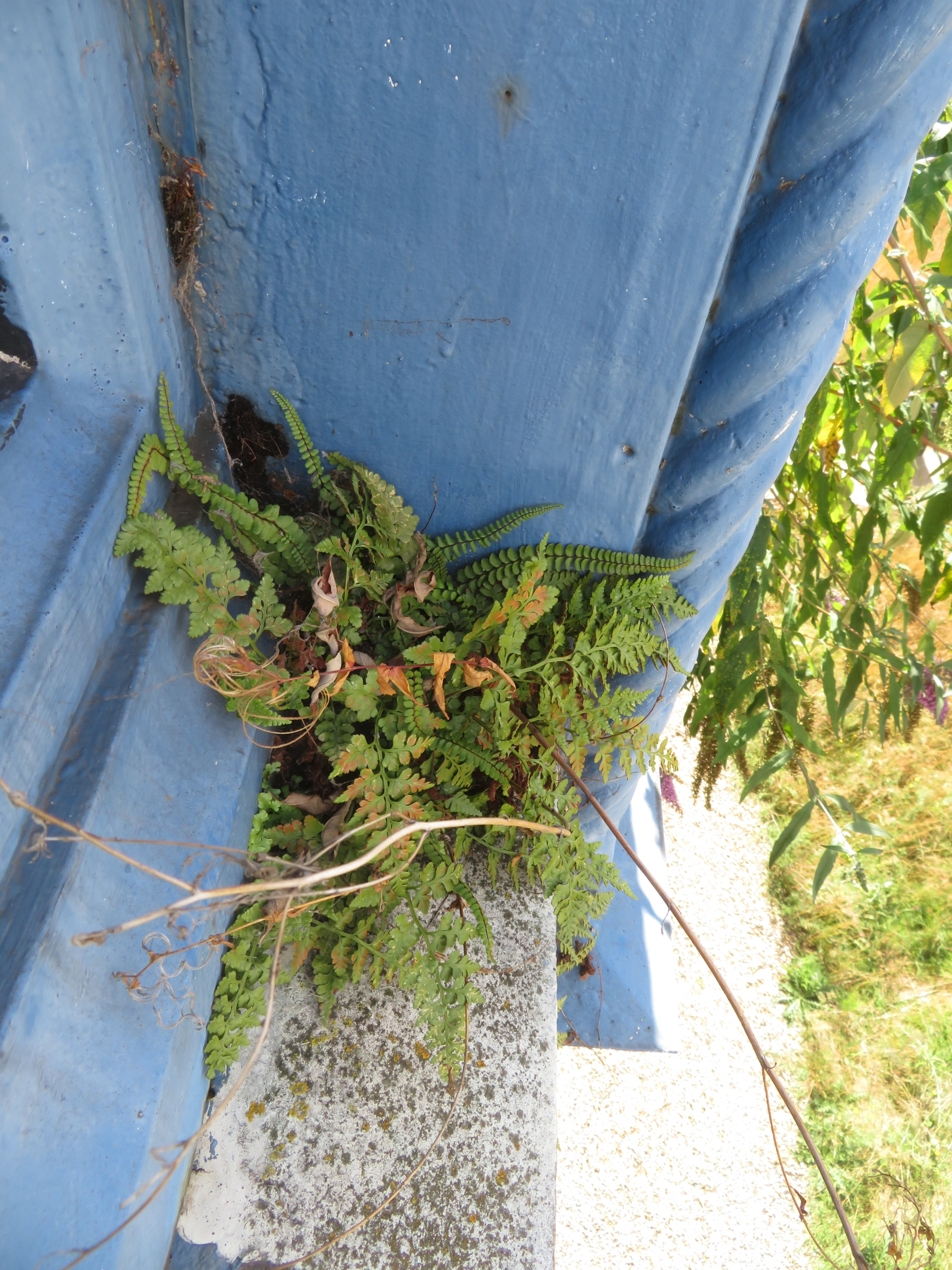
Vegetation has displaced mortar and is allowing water ingress below.
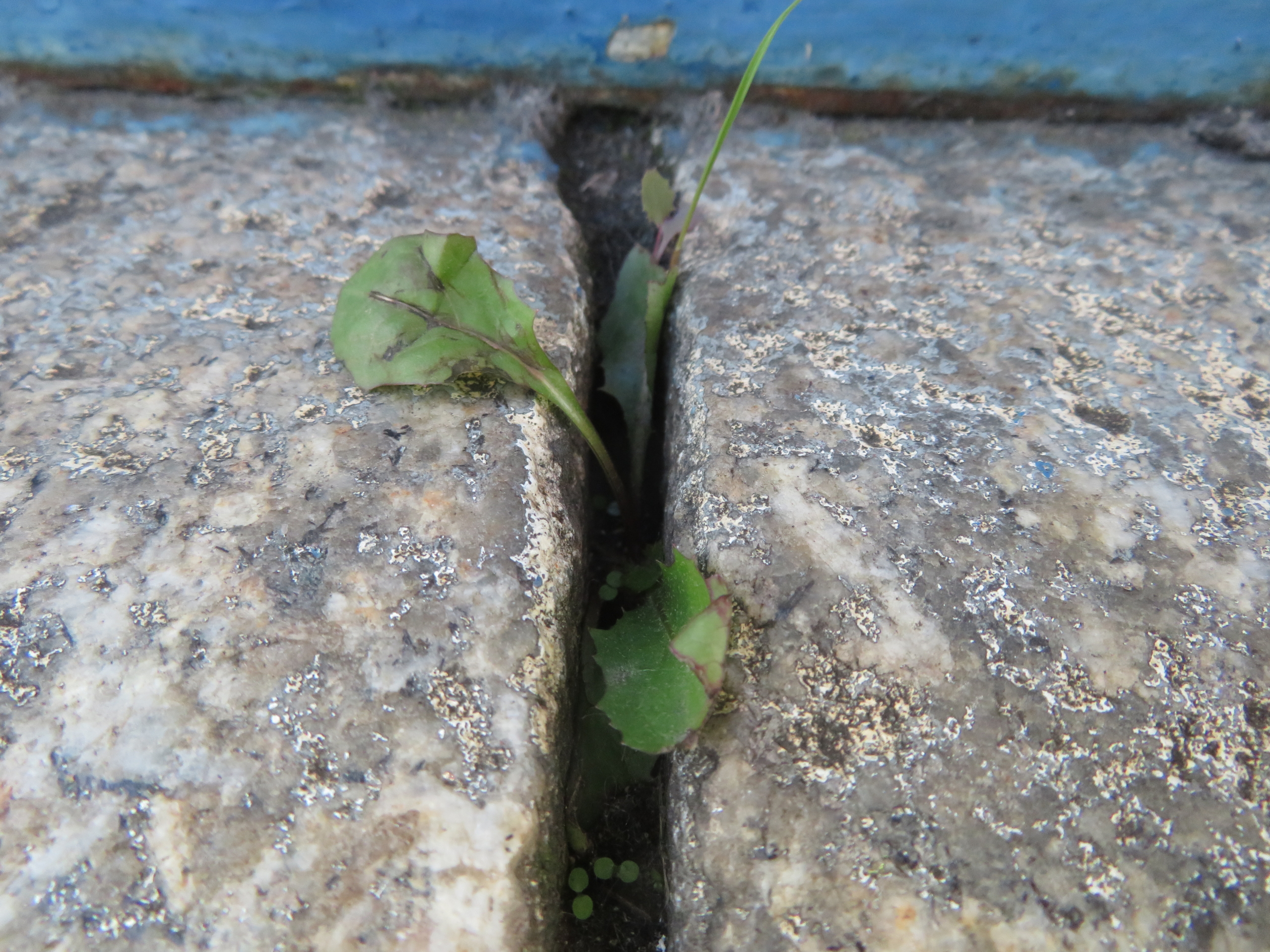
Voided joint and vegetation growth.
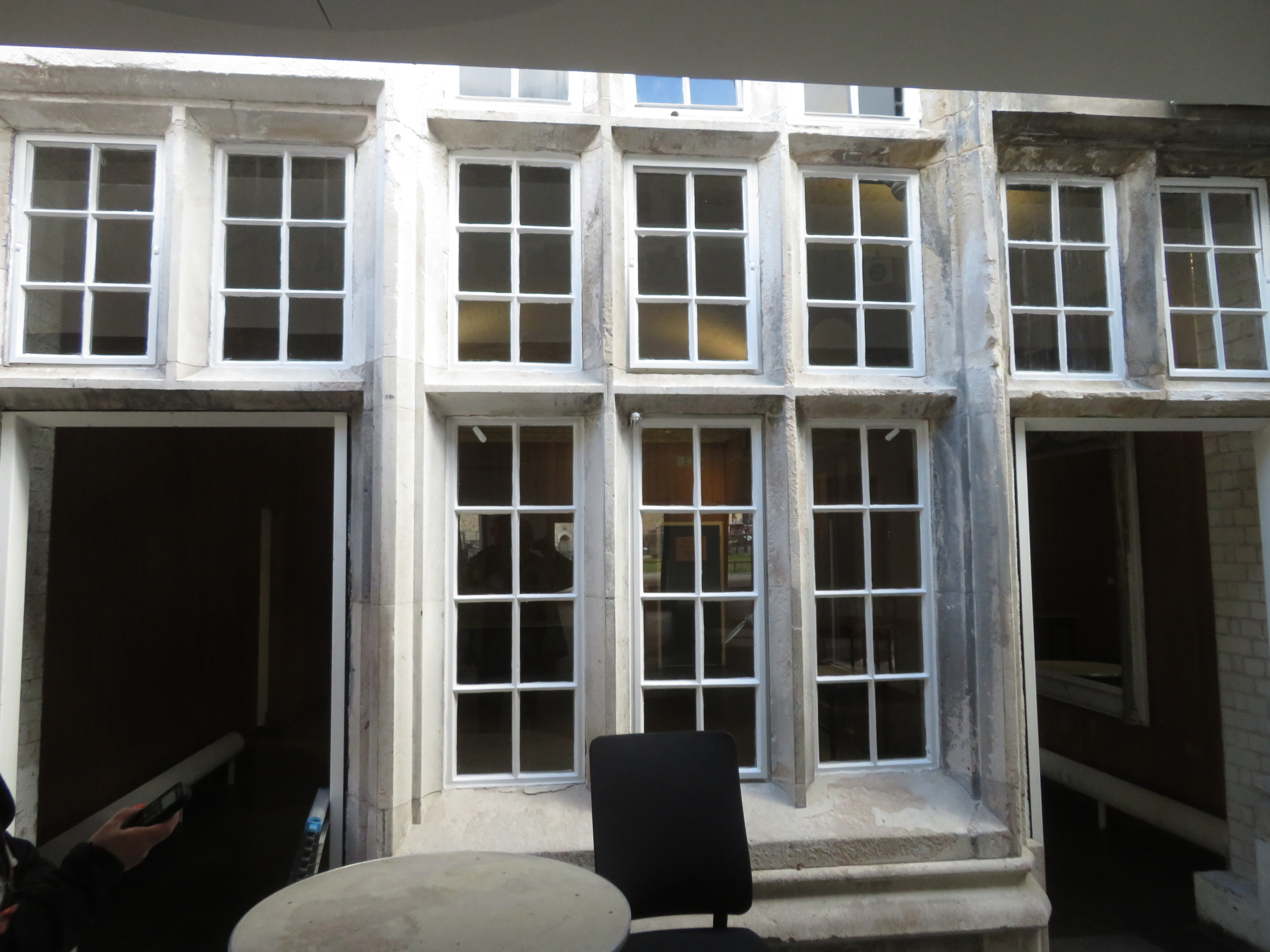
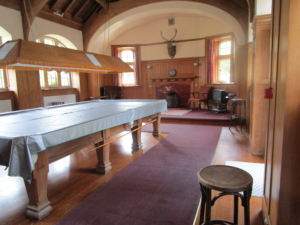
The entrance to The Reveller is now internal but shows saklt damage to the stonework where water percolation from above continues.
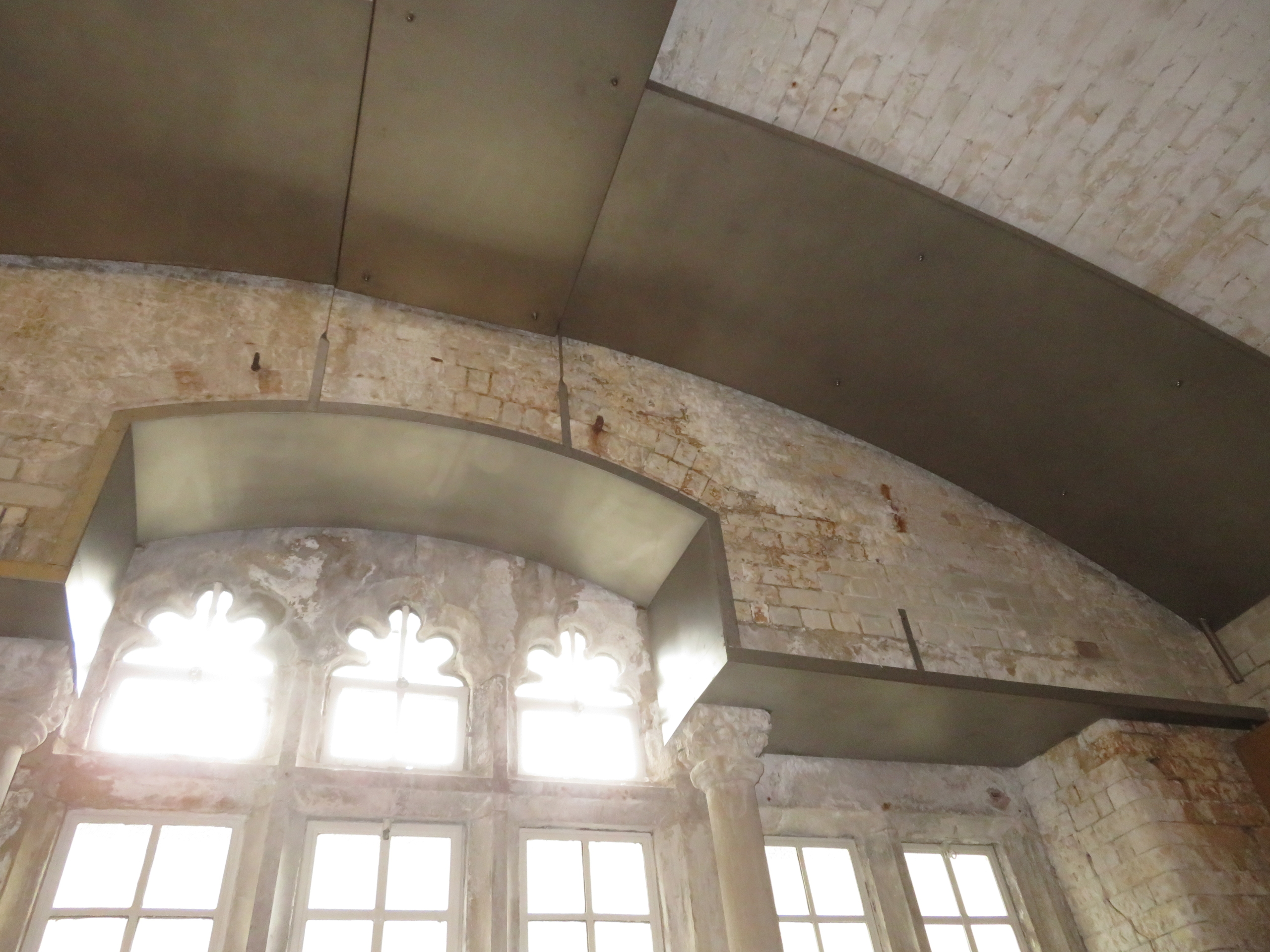
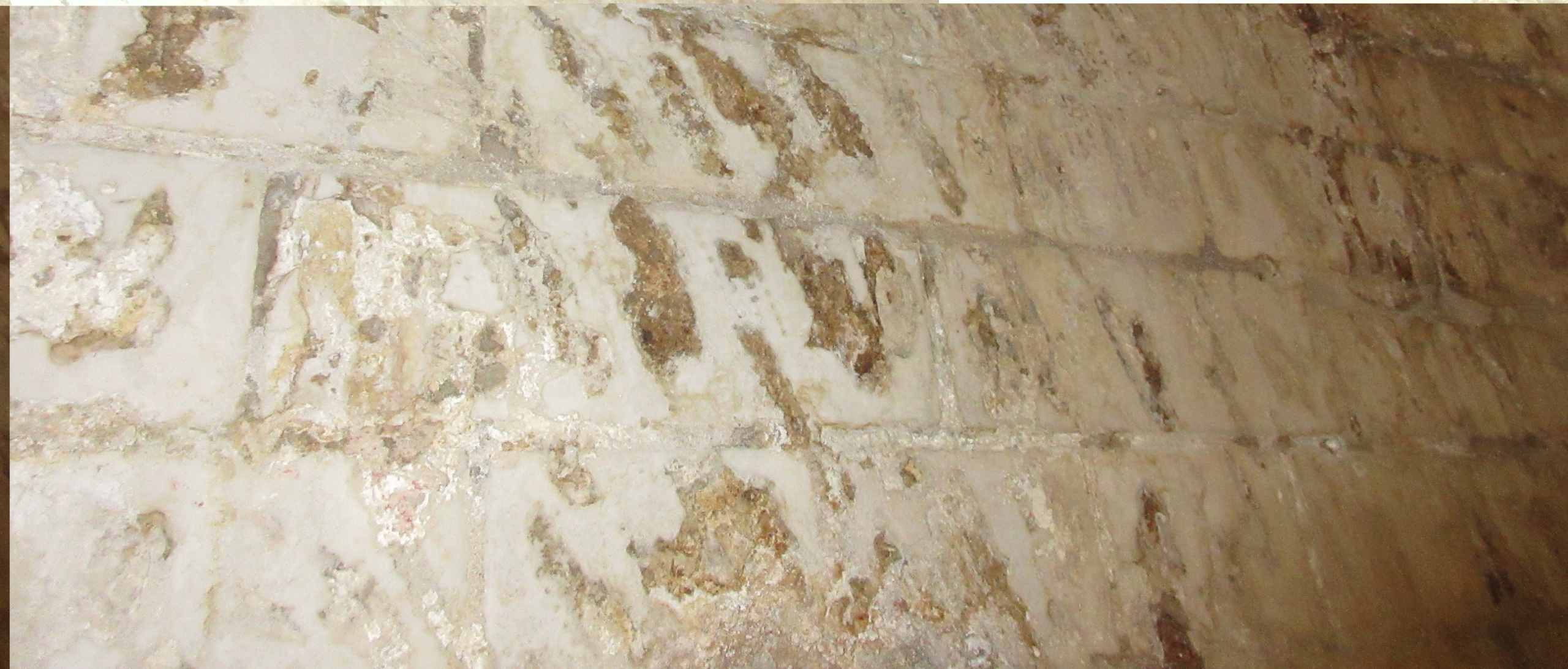
Glazed brick to The Reveller also has a stainless steel tray to catch water ingress. These walls have previously been coated with waterproofing render but this was always going to fail. The glazed bricks are now permanently damaged.
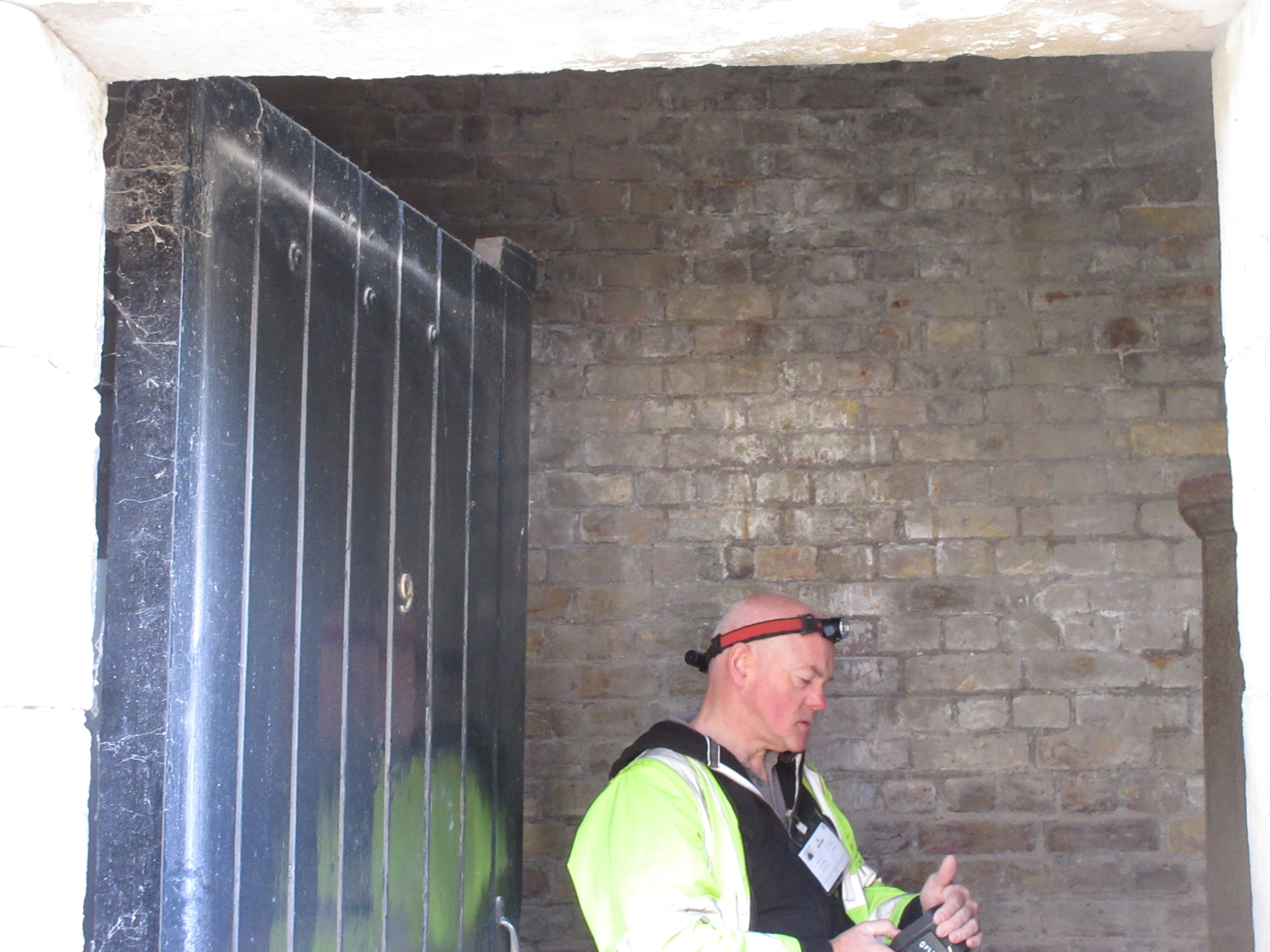
John preparing the thermal imaging camera – inside number 9!
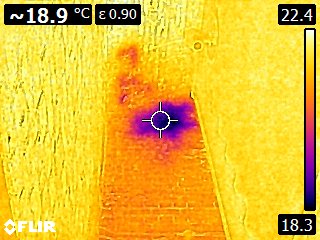
Thermal imaging showing saturated area as colder than surrounding brickwork so one of the sources of water ingress.