
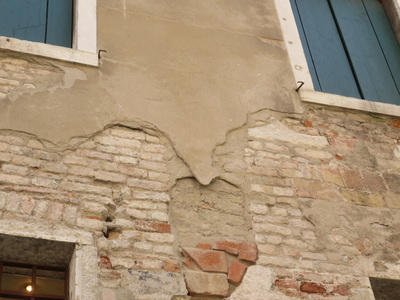
Having surveyed a few houses in and around Swansea, Cardiff, Barry and Chepstow now, the instances of rising damp appear to be rife. However I find that most ground floors have been replaced with concrete, external walls have been ‘water-proofed’ inside and outside and absolutely no thought given by the damp-proofing company to how the property is supposed to function after it has been sealed.
Moisture is absorbed from various sources and the most important feature of a traditional structure, apart from supporting the upper floors and roof obviously, is to allow moisture to evaporate. Where it doesn’t, it saturates and appears internally as dampness so, if you are thinking about inviting a damp-proofing specialist to your home because he’s free or cheap, think again, because no matter what guarantees he provides, he has no interest in solving the various different issues which may be responsible.
Damp proofing, so-called independent, experts seldom even look outside, where 99% of the defects which contribute to dampness are. A professional survey from a reputable building surveying practice like Heritage & Design Ltd will examine your property, inside and outside, and identify all contributing factors, present them in an easy to read format in plain English and set out recommendations for repairs in order of priority in accordance with BS 7913:2013 – Guide to the conservation of historic buildings, which should really have been called a guide to the ‘repair of traditional buildings’ instead.
This British standard sets out the principles and guidelines that building surveyors should employ when inspecting solid-walled structures and describes “best practice in the management and treatment of ‘historic’ buildings. It applies to ‘historic’ buildings with and without statutory protection.”


